
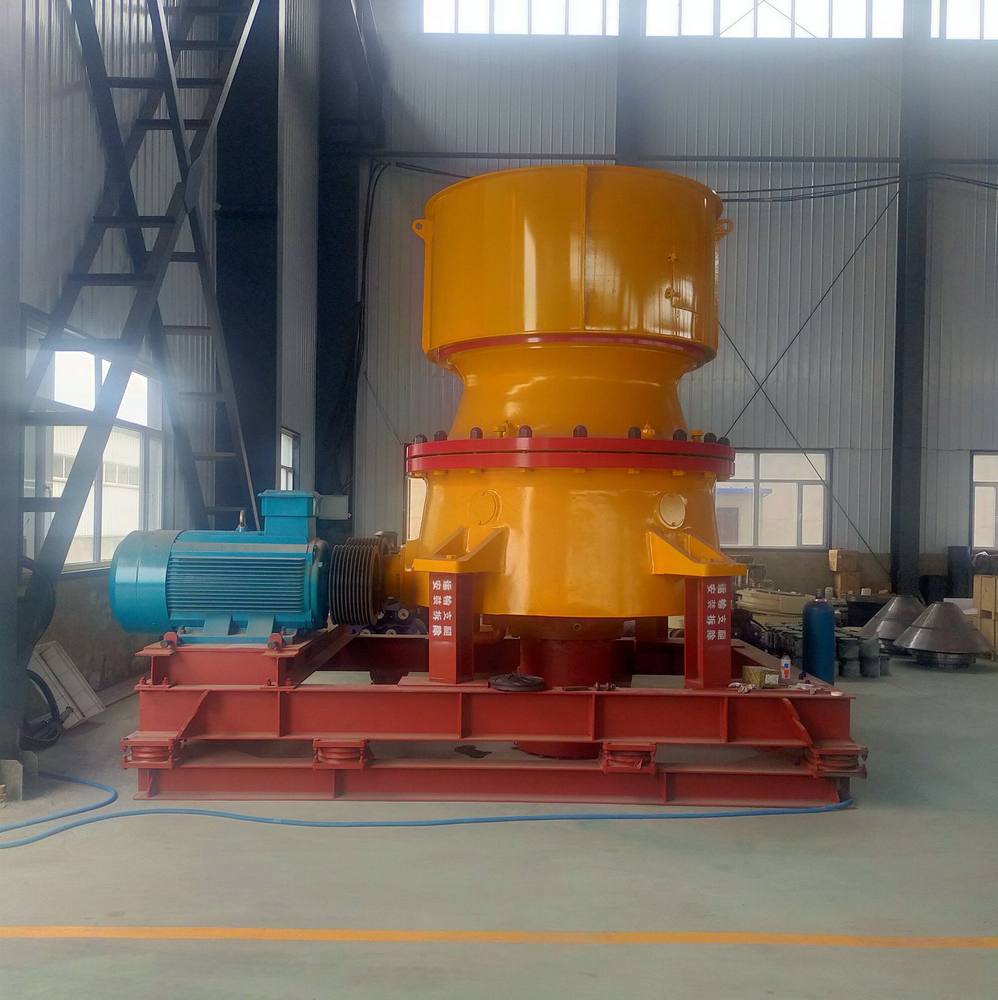
Cone Crushers
GP Series Single Cylinder Hydraulic Cone Crusher
GP series single-cylinder hydraulic cone crusher, models GP100-GP500 in fine and coarse types with cavity options A-D. High capacity, low operating cost and simple maintenance.
Single-cylinder, multi-cylinder hydraulic and spring cone crushers deliver high-capacity secondary and tertiary crushing with excellent product shape for mining and aggregate applications.
GP series single-cylinder hydraulic cone crusher, models GP100-GP500 in fine and coarse types with cavity options A-D. High capacity, low operating cost and simple maintenance.
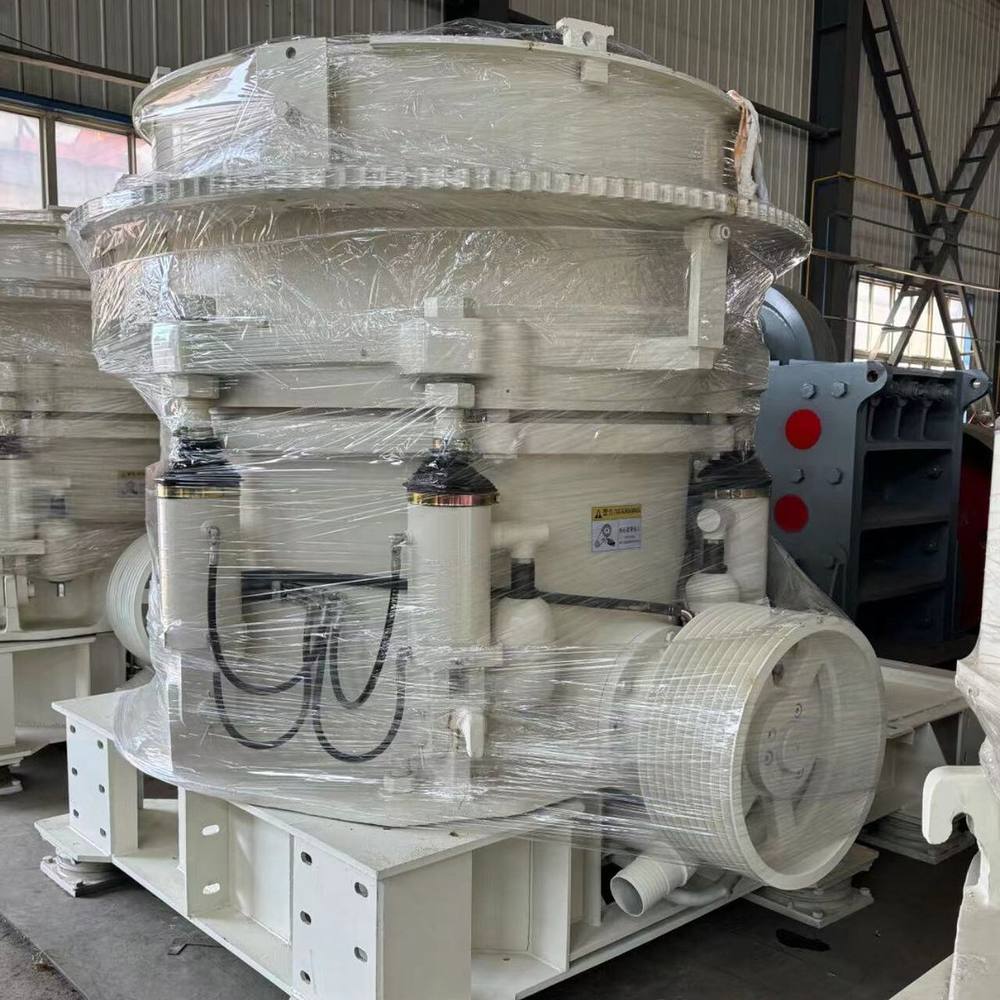
HP series multi-cylinder hydraulic cone crusher, models HP200-HP800 with 5 cavity types. High production, laminated cubic products and automatic iron protection.
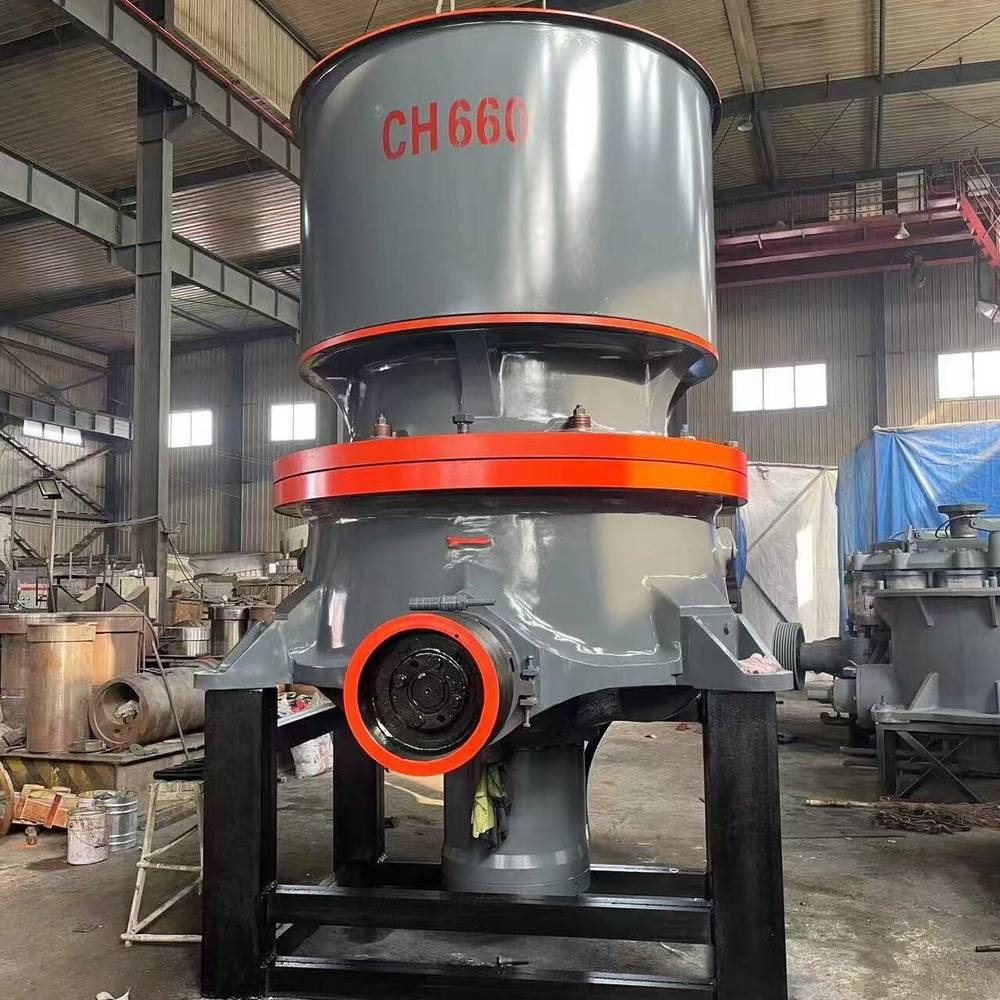
CH/CS series single-cylinder hydraulic cone crusher with multiple cavity options (CH: EF to EC, CS: standard types). High capacity and low operating cost for secondary and tertiary crushing.
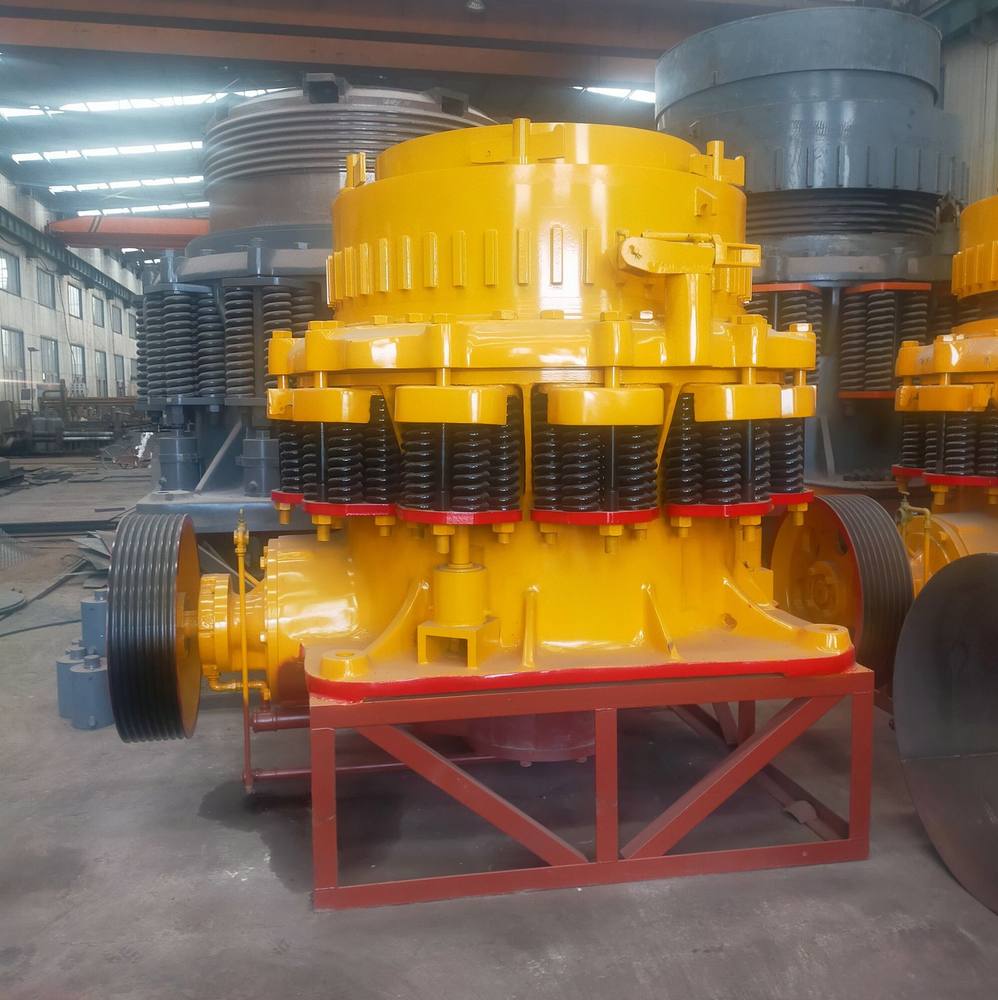
Symons cone crusher, PYF-B standard and PYF-D short-head types in 3Ft to 7Ft sizes with capacities up to 1500 t/h. Proven laminated crushing for mines and aggregate plants.
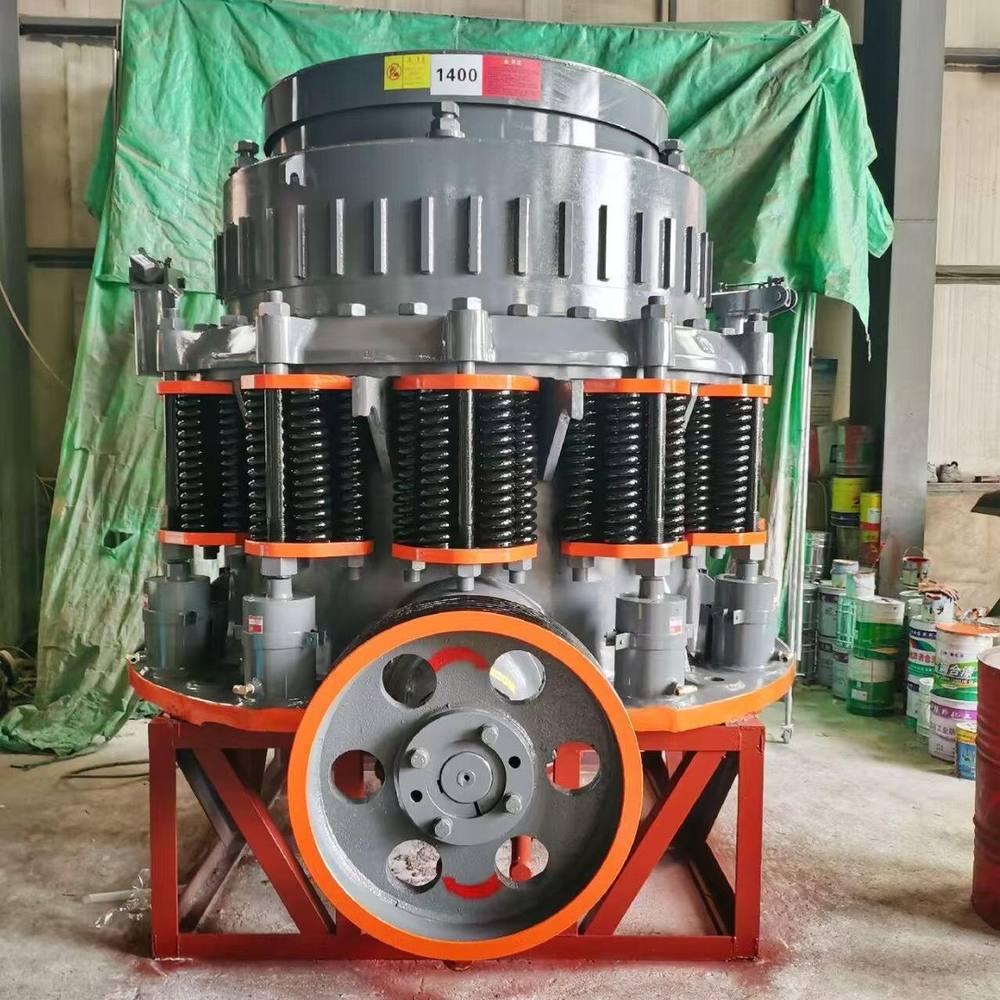
Composite spring cone crusher, DC series models 1000-1950 with 110-400 kW. Optimized cavity for higher output, hydraulic discharge adjustment and easy liner replacement.
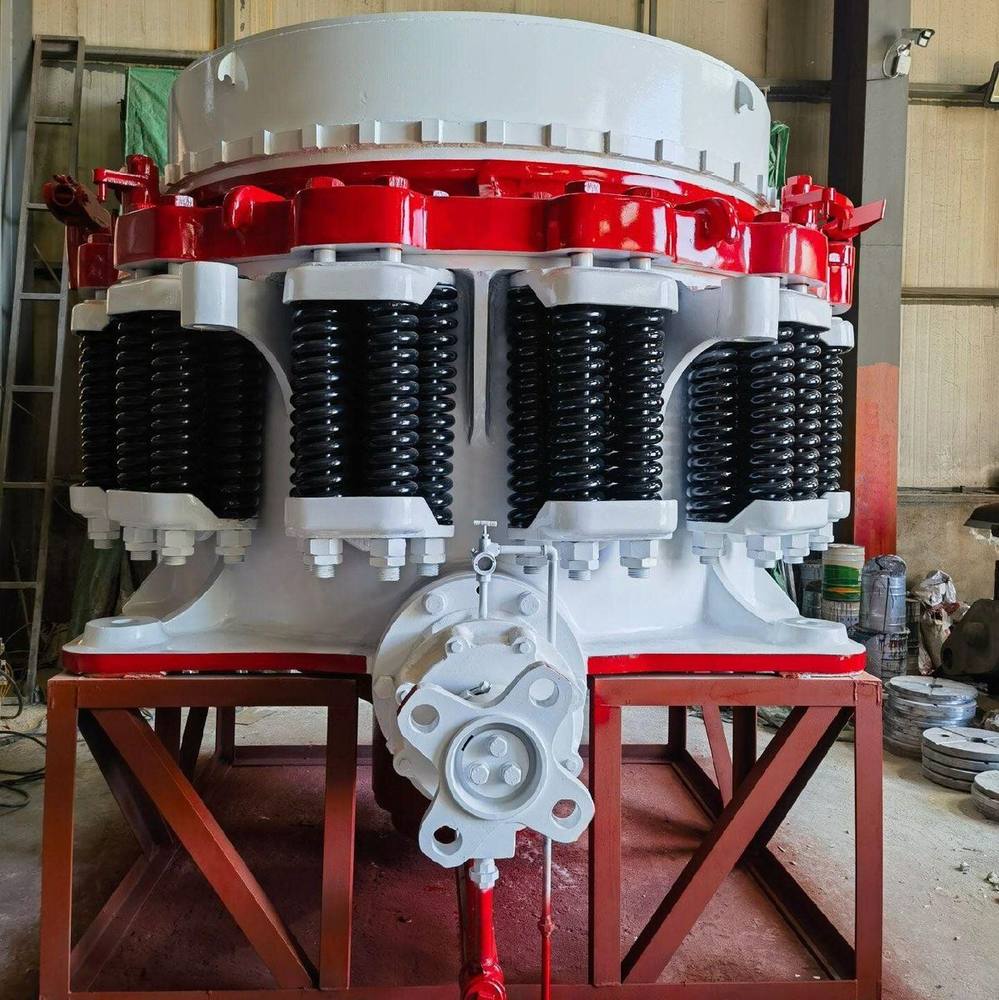
Composite spring cone crusher, PY series PYB/PYZ/PYD types from 1200 to 2200 models. Standard, medium and short-head cavities - low operating cost for hard rock crushing.
Cone crushers are the standard choice for secondary and tertiary crushing when you need high capacity, low operating cost and a consistent, cubical product from hard rock. The right cone depends on feed size, target tonnage, product grading and how your primary crusher feeds it.
Cone crushers work best with a well-graded, continuously fed chamber. Feed should be between 85% of the closed side setting and the maximum feed size of the model. If feed is too coarse or irregular, output drops and liner wear increases. Match the cone to the discharge of your jaw crusher or screen.
Spring (PY/PYB) and Symons cone crushers are simple, proven and low cost, ideal for medium plants. GP single-cylinder and HP/CH multi-cylinder hydraulic cones add automatic tramp release, hydraulic adjustment and higher crushing force - worth it when uptime and product shape drive your economics.
Standard (coarse) cavities give higher tonnage for secondary duties; short-head cavities produce finer product for tertiary grinding feed. Match cavity to your target: 4.25ft and 5.5ft Symons machines cover typical 80-300 t/h secondary duties, HP300-HP500 equivalents for larger plants.
Cones crush by inter-particle compression and excel on granite, basalt, river stone and ore. Keep moisture and fines low; very wet or clayey feed can plug the chamber - add a screen or wash stage first.
Mantle and concave sets, bowl liners and eccentric/bushing parts dominate running cost. Choose manganese quality and check that spare parts for your model are stocked. Factory-direct supply of both machine and wear parts keeps cost per ton predictable.
Typical two-stage layouts: jaw 750x1060 or larger, feeding a 4.25-5.5ft cone, screened to 0-5/5-10/10-20 mm. For high fines demand add a short-head cone or VSI in the third stage.
Standard (coarse) cones are for secondary crushing with high throughput and a coarser product; short-head cones give finer product and are used for tertiary or fine crushing.
A 4.25ft Symons cone typically accepts feed up to about 200 mm in standard cavity and produces 60-180 t/h depending on closed-side setting.
Wear life depends on feed abrasiveness and settings. In granite applications mantles and concaves commonly last 2-6 months; monitor the feed opening percentage and keep spares ready.
Spring/Symons cones are cheaper and simpler; hydraulic (GP/HP) cones add automatic adjustment and tramp protection that reduce downtime on larger, continuous plants. Tell us your capacity and we will recommend the model.
Tell us your capacity and material requirements - we will recommend the best model and price within 24 hours.